
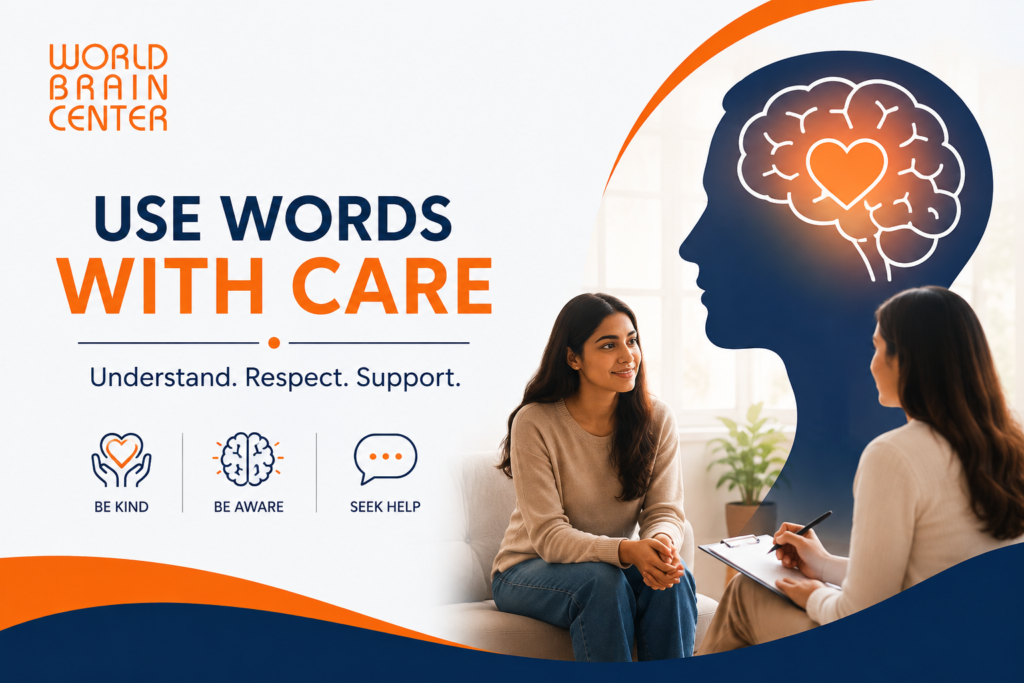
Mental health conversations have become more common than ever before. From social media and podcasts to workplaces and schools, people are openly discussing stress, anxiety, trauma, ADHD, depression, OCD, narcissism, and many other psychological concepts. This increased awareness is undoubtedly a positive step toward breaking the stigma surrounding mental health.
Understand Mental Health Better with the Best Counselling Psychologist in Delhi
However, there is another side to this growing awareness that deserves equal attention.
Today, psychological terms are frequently used without understanding their actual clinical meaning. Words like “I’m so OCD,” “This is traumatizing,” “I’m depressed,” “He’s bipolar,” or “I definitely have ADHD” have become part of everyday conversations. While these expressions may seem harmless, casually using clinical diagnoses to describe ordinary emotions or personality traits can unintentionally spread misinformation, minimize genuine mental health struggles, and delay proper diagnosis and treatment.
Understanding the difference between normal emotions and diagnosable mental health conditions is essential—not only for ourselves but also for those genuinely living with these disorders.
At World Brain Center Hospital, our team of the Best Counselling Psychologists in Delhi, experienced psychiatrists, and mental health professionals believes that mental health awareness should always be supported by accurate knowledge and compassionate understanding.
Why Mental Health Language Matters
Language shapes how we understand mental health.
When serious psychiatric conditions are used casually in everyday conversations, they lose their actual significance. Over time, this can create confusion, misconceptions, and even stigma for people who genuinely need professional treatment.
Imagine someone living with Obsessive Compulsive Disorder (OCD), Major Depressive Disorder, or Post-Traumatic Stress Disorder (PTSD). Hearing these conditions casually used to describe simple habits or temporary emotions may make their struggles feel dismissed or misunderstood.
Mental health deserves the same respect as physical health.
Just as we wouldn’t casually say we have diabetes because we ate too much sugar, psychological disorders should never be self-assigned without proper evaluation.
Why Do People Use Psychological Terms So Frequently?
Several factors have contributed to the growing misuse of mental health terminology.
1. Social Media Culture
Platforms like Instagram, YouTube, TikTok, and Facebook have made psychological information more accessible than ever.
Unfortunately, not every content creator is a qualified mental health professional.
Short videos often oversimplify complex disorders, encouraging viewers to relate common personality traits to clinical diagnoses.
For example:
- “If you love organizing, you have OCD.”
- “If you lose focus sometimes, you have ADHD.”
- “If you enjoy being alone, you’re antisocial.”
These statements are medically inaccurate.
2. Pop Culture
Movies and television frequently portray psychiatric disorders dramatically, creating stereotypes that don’t accurately represent real-life mental illnesses.
This leads many people to misunderstand psychological conditions.
3. Internet Self-Diagnosis
Search engines provide enormous amounts of health information.
While educational resources are valuable, reading symptoms online does not replace professional psychological assessment.
Many symptoms overlap across different mental health conditions.
Only experienced professionals like the Best Counselling Psychologists Near Me in Delhi can accurately identify the root cause.
Common Psychological Terms That Are Often Misused
“I Have OCD”
One of the most common statements people casually make is:
“I like keeping everything clean. I’m so OCD.”
In reality, Obsessive Compulsive Disorder is far more than cleanliness.
People with OCD experience:
- Intrusive unwanted thoughts
- Severe anxiety
- Repetitive compulsions
- Checking behaviors
- Counting rituals
- Hoarding
- Significant emotional distress
These symptoms interfere with work, relationships, education, and daily life.
Being organized is not OCD.
“That Was Traumatic”
Many people describe unpleasant experiences as “traumatic.”
Examples include:
- Missing a flight
- Failing an exam
- Losing a cricket match
- Watching a sad movie
Although these situations may be upsetting, they are generally not clinical trauma.
Psychological trauma involves experiencing or witnessing events that create intense fear, helplessness, or emotional shock and continue affecting a person’s thoughts, emotions, relationships, and daily functioning long after the event.
“I’m Depressed”
Feeling sad after a difficult day is completely normal.
Clinical depression is very different.
Major Depression may include:
- Persistent sadness
- Loss of interest
- Sleep disturbances
- Appetite changes
- Fatigue
- Feelings of hopelessness
- Difficulty concentrating
- Suicidal thoughts
Symptoms usually persist for weeks and significantly affect everyday life.
Temporary sadness should never be confused with depression.
“I Have Anxiety”
Feeling nervous before:
- An interview
- An examination
- Public speaking
- Driving
is completely natural.
Anxiety Disorders involve persistent excessive fear, panic, avoidance behaviors, and physical symptoms that interfere with normal functioning.
Professional assessment by the Best Counselling Psychologist in Delhi helps distinguish ordinary stress from clinical anxiety.
“I Have ADHD”
Everyone gets distracted occasionally.
Attention Deficit Hyperactivity Disorder (ADHD) is a neurodevelopmental condition involving persistent symptoms of inattention, impulsivity, and hyperactivity beginning in childhood and affecting multiple areas of life.
Diagnosis requires detailed psychological evaluation—not internet quizzes.
Everyday Feelings Are Not Always Mental Disorders
One of the biggest misconceptions today is assuming that every uncomfortable emotion is a psychiatric illness.
Being:
- Sad
- Angry
- Worried
- Lonely
- Forgetful
- Shy
- Emotional
does not automatically indicate a mental disorder.
Human emotions naturally fluctuate throughout life.
Understanding this difference helps reduce unnecessary fear while encouraging people with genuine concerns to seek professional care.
The Hidden Risks of Self-Diagnosis
Self-diagnosis has become increasingly common.
Unfortunately, it can create more confusion than clarity.
Some people convince themselves they have disorders they don’t actually have.
Others ignore serious symptoms because they believe what they’re experiencing is “normal.”
Both situations can delay effective treatment.
Consulting qualified professionals from the Best Psychologists in Delhi-NCR for Counselling & Therapy provides accurate diagnosis, evidence-based guidance, and individualized treatment planning.
Why Accurate Mental Health Awareness Matters
Mental health awareness should educate—not confuse.
Using correct language helps:
- Reduce stigma
- Encourage early treatment
- Improve public understanding
- Support people living with mental illness
- Promote empathy
- Prevent misinformation
Every conversation about mental health has the power to either build understanding or unintentionally spread myths.
Choosing words carefully makes a meaningful difference.
When Should You Consult a Professional Counselling Psychologist?
Everyone experiences stress, disappointment, anxiety, or emotional ups and downs at different stages of life. However, when these feelings persist for weeks, interfere with work, relationships, studies, or daily responsibilities, it may be time to seek professional support.
Seeking counselling is not a sign of weakness—it is a proactive step toward better emotional well-being.
Consider consulting the Best Counselling Psychologist in Delhi if you experience:
- Persistent sadness or hopelessness
- Excessive worry or anxiety
- Frequent panic attacks
- Difficulty concentrating
- Emotional numbness
- Relationship conflicts
- Work or academic stress
- Sleep disturbances
- Loss of confidence or self-esteem
- Difficulty coping with grief or trauma
- Anger management issues
- Repetitive negative thoughts
- Behavioral changes in children or teenagers
Early intervention often prevents minor emotional concerns from developing into more serious mental health conditions.
How Professional Counselling Can Help
Professional counselling goes far beyond simply talking about your problems. It is a structured, evidence-based process that helps individuals understand their thoughts, emotions, and behaviours while developing healthier coping mechanisms.
At World Brain Center Hospital, counselling sessions are personalized according to each individual’s emotional needs and life circumstances.
Our counselling services help individuals:
Understand Their Thoughts
Many people experience recurring negative thoughts without understanding why they occur. Counselling helps identify unhealthy thinking patterns and replace them with healthier perspectives.
Manage Anxiety and Stress
Evidence-based therapies teach practical strategies to reduce stress, regulate emotions, and improve resilience during challenging situations.
Improve Relationships
Communication difficulties, trust issues, family conflicts, and workplace stress can often be resolved through professional counselling.
Build Emotional Strength
Counselling empowers individuals to improve self-esteem, emotional intelligence, confidence, and decision-making skills.
Prevent Mental Health Disorders
Addressing emotional challenges early often reduces the risk of developing severe anxiety disorders, depression, substance dependence, or other psychiatric conditions.
The Importance of Accurate Mental Health Diagnosis
One of the greatest dangers of self-diagnosis is that different mental health conditions often share similar symptoms.
For example:
- Anxiety may resemble ADHD.
- Depression may appear as laziness.
- OCD may be mistaken for perfectionism.
- Trauma may present as anger or withdrawal.
- Autism may be confused with shyness.
- Personality disorders may be misunderstood as difficult behaviour.
Only qualified mental health professionals can accurately evaluate these symptoms using scientific assessment tools, clinical interviews, and standardized diagnostic methods.
This is why consulting the Best Counselling Psychologists Near Me in Delhi is always preferable to relying solely on online information or social media advice.
Why Choose World Brain Center Hospital?
When searching for the Best Counselling Psychologists in Delhi, choosing a trusted and experienced mental healthcare institution makes all the difference.
World Brain Center Hospital has earned the confidence of thousands of individuals and families by providing compassionate, ethical, and evidence-based mental healthcare under one roof.
Our Strengths Include:
- Experienced Clinical Psychologists
- Senior Psychiatrists
- Child & Adolescent Counsellors
- Family and Marriage Counselling
- Psychological Assessments
- Cognitive Behaviour Therapy (CBT)
- Behaviour Modification Therapy
- Stress Management Programs
- Anxiety & Depression Treatment
- Trauma Counselling
- OCD Management
- ADHD Assessment
- Autism Evaluation
- De-Addiction Counselling
- Family Therapy
- Corporate Mental Wellness Programs
Our multidisciplinary approach ensures every patient receives personalized treatment rather than a one-size-fits-all solution.
Why Thousands Trust Our Counselling Team
Our counselling psychologists believe every individual deserves to be heard without judgment.
We focus on:
✔ Confidential Sessions
✔ Scientific Assessment
✔ Compassionate Care
✔ Personalized Therapy Plans
✔ Family Involvement
✔ Long-Term Emotional Wellness
Whether you’re dealing with stress, anxiety, depression, relationship issues, behavioural concerns, or emotional confusion, our experienced professionals provide guidance tailored to your unique needs.
Mental Health Is More Than a Label
Using psychological terminology responsibly helps create a healthier society.
Instead of labeling ourselves or others based on internet content or casual conversations, we should focus on understanding, empathy, and professional guidance.
Feeling stressed does not necessarily mean you have anxiety.
Being organized does not automatically mean OCD.
Feeling sad does not always indicate depression.
Getting distracted occasionally does not confirm ADHD.
Every person’s emotional experience is unique, and every diagnosis requires careful professional evaluation.
Mental health deserves compassion—not assumptions.
Take the First Step Toward Better Mental Health
If you or someone you love has been experiencing persistent emotional difficulties, don’t rely on self-diagnosis or social media advice.
Consult experienced professionals who can provide accurate assessment, compassionate guidance, and evidence-based treatment.
At World Brain Center Hospital, our experienced counselling psychologists and psychiatrists are committed to helping individuals regain emotional balance, improve relationships, build resilience, and live healthier, happier lives.
Contact World Brain Center Hospital
📍 World Brain Center Hospital, Delhi
📞 011-41643347
📞 9968788861, 9968788865, 9968788867
Book your confidential counselling session today and begin your journey toward emotional well-being with one of the Best Counselling Psychologists in Delhi-NCR for Counselling & Therapy.
Frequently Asked Questions (FAQs)
1. When should I consult the Best Counselling Psychologist in Delhi?
If stress, anxiety, sadness, relationship issues, or emotional difficulties persist for more than two weeks and begin affecting your personal or professional life, it is advisable to consult a qualified counselling psychologist for proper assessment and guidance.
2. What is the difference between feeling anxious and having an anxiety disorder?
Feeling anxious before an exam, interview, or important event is a normal human response. Anxiety disorders involve excessive, persistent fear and worry that interfere with daily functioning and usually require professional treatment.
3. Can I diagnose myself using information from social media or online quizzes?
No. Online information may increase awareness but cannot replace a comprehensive psychological evaluation. Only qualified professionals can accurately diagnose mental health conditions after detailed assessment.
4. Why is World Brain Center Hospital considered one of the Best Counselling Psychology Centres in Delhi?
World Brain Center Hospital offers experienced counselling psychologists, psychiatrists, evidence-based therapies, personalized treatment plans, child and family counselling, psychological assessments, and compassionate mental healthcare under one roof, making it a trusted destination for comprehensive emotional wellness.
Disclaimer
This article is intended for educational and awareness purposes only. It should not be considered a substitute for professional medical advice, diagnosis, or treatment. If you are experiencing ongoing emotional, behavioural, or psychological concerns, consult a qualified mental health professional for a comprehensive evaluation. The specialists at World Brain Center Hospital are committed to providing confidential, compassionate, and evidence-based care to support your mental well-being.