
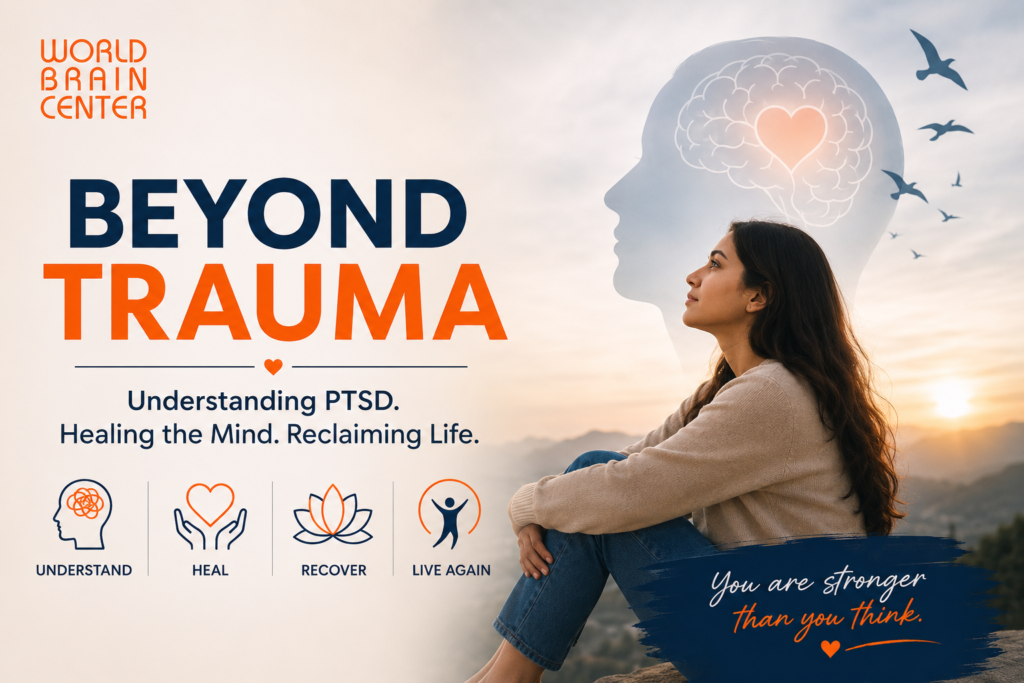
Every person experiences difficult moments in life. A serious accident, physical assault, the loss of a loved one, domestic violence, childhood abuse, natural disasters, or witnessing a tragic event can leave emotional scars that take time to heal.
For many people, these emotional reactions gradually become less intense. However, for others, the trauma continues to replay long after the event has ended. Disturbing memories, nightmares, fear, emotional numbness, and constant alertness begin affecting everyday life. This condition is known as Post-Traumatic Stress Disorder (PTSD).
PTSD is not a sign of weakness, nor does it mean someone is unable to cope. It is a recognized mental health condition where the brain continues to respond as though the traumatic event is still happening.
The encouraging news is that PTSD is highly treatable. With timely intervention from the Best Psychiatrist in Delhi, the Best Psychologist in Delhi, and experienced trauma therapists at World Brain Center Hospital, individuals can gradually regain emotional balance, confidence, and control over their lives.
What is PTSD?
Post-Traumatic Stress Disorder (PTSD) is a mental health condition that develops after experiencing or witnessing an extremely distressing or life-threatening event.
Trauma affects every individual differently. While some people recover naturally over time, others continue experiencing persistent emotional and psychological symptoms that interfere with daily life.
These symptoms may appear immediately after the event or even months later.
PTSD changes the way the brain processes memories, emotions, and danger signals. Even when the actual threat has disappeared, the brain continues behaving as if it is still under attack.
This constant “survival mode” often makes ordinary situations feel unsafe, exhausting, and emotionally overwhelming.
How Common is PTSD?
PTSD is more common than many people realize.
Unfortunately, thousands of individuals never receive proper diagnosis because of:
- Social stigma
- Lack of awareness
- Fear of being judged
- Limited access to mental healthcare
- Misunderstanding symptoms as “normal stress”
Women are generally diagnosed more frequently than men due to greater exposure to domestic violence, sexual assault, and emotional abuse.
Individuals who have experienced repeated trauma during childhood also face a significantly higher risk.
At World Brain Center Hospital, our specialists regularly help individuals who have silently struggled with trauma for years before seeking professional support.
Recognizing the Symptoms of PTSD
PTSD symptoms usually fall into four major categories.
1. Reliving the Trauma (Intrusive Symptoms)
Many individuals feel as though the traumatic experience never truly ended.
Common symptoms include:
- Flashbacks
- Disturbing memories
- Recurring nightmares
- Emotional distress when reminded of the event
- Physical reactions such as sweating or rapid heartbeat
Simple sounds, smells, locations, or conversations may unexpectedly trigger these memories.
2. Avoidance
Many people with PTSD begin avoiding reminders of the trauma.
They may avoid:
- Certain people
- Particular places
- Conversations
- Activities
- News reports
- Social situations
Some even struggle to discuss the traumatic event with family members or healthcare professionals because revisiting those memories feels emotionally unbearable.
3. Negative Changes in Thoughts and Emotions
PTSD often changes how people think about themselves and the world.
Individuals may experience:
- Persistent guilt
- Shame
- Hopelessness
- Emotional numbness
- Loss of interest in hobbies
- Difficulty trusting others
- Feeling disconnected from family and friends
Many describe feeling emotionally “empty” even when surrounded by loved ones.
4. Hypervigilance and Increased Alertness
One of PTSD’s most exhausting symptoms is remaining constantly alert.
Individuals frequently experience:
- Difficulty sleeping
- Irritability
- Anger outbursts
- Trouble concentrating
- Being easily startled
- Constantly scanning for danger
The body behaves as though it must always be prepared for another traumatic event.
What Causes PTSD?
PTSD develops when the brain cannot completely process an overwhelming experience.
Traumatic experiences may include:
- Road traffic accidents
- Physical assault
- Sexual assault
- Domestic violence
- Childhood abuse
- Military combat
- Terror attacks
- Natural disasters
- Medical emergencies
- Losing someone unexpectedly
- Witnessing violence
- Workplace trauma
It is important to understand that two people can experience the same event but respond very differently.
There is no “correct” way to react to trauma.
Why Doesn’t Everyone Develop PTSD?
Several factors influence how the brain responds after trauma.
Risk increases when individuals have:
- Previous traumatic experiences
- Childhood neglect
- Anxiety disorders
- Depression
- Poor emotional support
- Ongoing life stress
- Family history of mental illness
- Substance abuse problems
On the other hand, strong family relationships, emotional resilience, and timely counselling significantly improve recovery.
Different Types of PTSD
PTSD is not identical for every individual.
Mental health professionals generally recognize several patterns.
Acute PTSD
Symptoms develop shortly after trauma and continue for several weeks or months.
Early psychological intervention often leads to faster recovery.
Chronic PTSD
Symptoms continue for more than three months and may persist for years if left untreated.
Many people living with chronic PTSD mistakenly believe that their symptoms are permanent.
Fortunately, evidence-based therapy can significantly improve quality of life.
Delayed-Onset PTSD
Some individuals appear emotionally stable immediately after trauma.
However, symptoms may suddenly emerge six months—or even years—later.
This delayed presentation is more common than many people realize.
Complex PTSD (C-PTSD)
Complex PTSD develops after prolonged or repeated trauma, including:
- Childhood abuse
- Domestic violence
- Emotional neglect
- Human trafficking
- Long-term bullying
- Torture
In addition to traditional PTSD symptoms, individuals often experience:
- Difficulty regulating emotions
- Low self-worth
- Deep feelings of shame
- Problems maintaining relationships
- Persistent fear of abandonment
Because complex trauma affects personality development and emotional regulation, treatment usually requires a more comprehensive therapeutic approach.
How PTSD Impacts Everyday Life
PTSD affects far more than emotional health.
It influences nearly every area of life.
Professional Life
Many individuals experience:
- Difficulty concentrating
- Reduced productivity
- Frequent absenteeism
- Memory problems
- Workplace anxiety
Even ordinary office situations may trigger emotional distress.
Relationships
Trauma often affects relationships with family, friends, and partners.
Individuals may:
- Withdraw emotionally
- Avoid intimacy
- Become overly protective
- Experience trust issues
- React with unexpected anger
- Feel misunderstood
Without treatment, relationships often become strained despite genuine love and care.
Physical Health
Trauma also affects the body.
People with PTSD frequently report:
- Chronic fatigue
- Headaches
- Muscle tension
- Digestive issues
- Sleep disturbances
- Increased blood pressure
- Weakened immunity
The connection between emotional and physical health is stronger than many realize.
Why Early Treatment Matters
One of the biggest misconceptions about trauma is believing that “time alone heals everything.”
While time certainly helps many people recover, untreated PTSD often becomes more deeply rooted.
Early intervention provides several important benefits:
- Reduces symptom severity
- Prevents worsening anxiety and depression
- Improves relationships
- Restores confidence
- Improves sleep quality
- Enhances emotional resilience
- Reduces the risk of substance dependence
- Helps individuals regain control over their lives
Most importantly, early treatment reminds individuals that recovery is possible—and that they do not have to face trauma alone.
PTSD Diagnosis: Why Professional Evaluation Matters
Many people living with PTSD believe they should simply “move on” or “be stronger.” Unfortunately, this misconception often delays treatment for months or even years.
PTSD cannot be diagnosed through internet quizzes or self-assessment alone. While online resources may increase awareness, only a qualified mental health professional can accurately determine whether your symptoms are related to PTSD or another condition such as anxiety, depression, panic disorder, or adjustment disorder.
At World Brain Center Hospital, our experienced team of the Best Psychiatrist in Delhi, Best Neuro Psychiatrist in Delhi, and Best Psychologist in Delhi performs comprehensive psychological assessments to understand the root cause of emotional distress and develop personalized treatment plans.
A clinical evaluation generally includes:
- Understanding the traumatic event and its impact
- Reviewing emotional and behavioural symptoms
- Assessing sleep, mood, and anxiety levels
- Evaluating daily functioning
- Identifying co-existing mental health conditions
- Using standardized psychological assessment tools when required
Receiving the right diagnosis is the first step toward long-term healing.
Effective PTSD Treatment: Recovery Is Possible
One of the most important things to understand about PTSD is that it is treatable. With the right combination of therapy, medical care, family support, and healthy coping strategies, many individuals experience remarkable improvements in their emotional well-being and quality of life.
At World Brain Center Hospital, treatment plans are customized because every individual’s trauma and recovery journey is unique.
1. Trauma-Focused Cognitive Behaviour Therapy (TF-CBT)
TF-CBT is one of the most effective evidence-based treatments for PTSD.
This therapy helps individuals:
- Understand how trauma affects thoughts and emotions
- Identify unhealthy thinking patterns
- Reduce fear associated with traumatic memories
- Develop healthier coping strategies
- Improve emotional regulation
Our experienced psychologists gradually help individuals process traumatic memories in a safe, supportive, and structured environment.
2. Cognitive Behaviour Therapy (CBT)
CBT helps individuals recognize the connection between thoughts, emotions, and behaviours.
Many people with PTSD develop beliefs such as:
- “I’m never safe.”
- “Everything is my fault.”
- “I can’t trust anyone.”
- “Something bad will happen again.”
CBT helps challenge these beliefs and replace them with healthier, reality-based perspectives.
3. Eye Movement Desensitisation and Reprocessing (EMDR)
EMDR is another internationally recognized treatment for PTSD.
This specialized therapy helps the brain process traumatic memories more effectively, reducing their emotional intensity over time.
Many individuals who struggle with recurring flashbacks or distressing memories benefit significantly from EMDR when provided by trained professionals.
For individuals experiencing severe anxiety, depression, panic attacks, or sleep disturbances, medication may be recommended alongside psychotherapy.
4. Medication
Depending on individual needs, psychiatrists may prescribe:
- Selective Serotonin Reuptake Inhibitors (SSRIs)
- Serotonin-Norepinephrine Reuptake Inhibitors (SNRIs)
- Anti-anxiety medication (when appropriate)
- Sleep management medication
Medication is carefully monitored and adjusted according to each patient’s progress.
5. Lifestyle and Supportive Therapies
Recovery extends beyond therapy sessions.
Healthy daily habits play an important role in healing.
Patients are encouraged to:
- Practice mindfulness
- Maintain regular sleep schedules
- Exercise regularly
- Reduce alcohol or substance use
- Build supportive relationships
- Practice relaxation techniques
- Participate in family counselling when appropriate
These supportive approaches strengthen emotional resilience and complement professional treatment.
How Family Members Can Support Someone Living with PTSD
Healing becomes easier when individuals feel understood and supported.
If someone you care about is living with PTSD:
Listen Without Judgement
Allow them to share their experiences when they feel comfortable. Avoid forcing conversations about the trauma.
Learn About PTSD
Understanding the condition helps reduce misunderstandings and improves communication.
Respect Emotional Boundaries
Certain places, sounds, conversations, or situations may trigger distress. Respect these boundaries without criticism.
Encourage Professional Treatment
Offer gentle encouragement rather than pressure. Sometimes accompanying a loved one to their first appointment makes a significant difference.
Avoid Dismissive Statements
Avoid saying:
- “Just forget about it.”
- “Be strong.”
- “Others have it worse.”
- “Move on.”
Simple empathy often provides more comfort than advice.
When Should You Seek Professional Help?
You should consult a mental health professional if you experience:
- Flashbacks
- Recurring nightmares
- Persistent anxiety
- Emotional numbness
- Avoidance of daily activities
- Difficulty sleeping
- Anger outbursts
- Trouble concentrating
- Panic attacks
- Increased alcohol or substance use
- Thoughts of self-harm or suicide
Seeking help early often prevents symptoms from becoming more severe.
Remember:
Asking for help is a sign of courage—not weakness.
Why Choose World Brain Center Hospital?
Recognized among the Best Mental Hospitals in Delhi, World Brain Center Hospital provides comprehensive mental healthcare through a multidisciplinary team of psychiatrists, psychologists, counsellors, and rehabilitation specialists.
Our services include:
✔ PTSD Assessment & Treatment
✔ Trauma Counselling
✔ Cognitive Behaviour Therapy (CBT)
✔ Trauma-Focused CBT
✔ EMDR Therapy
✔ Anxiety & Depression Treatment
✔ Family Counselling
✔ Child & Adolescent Psychiatry
✔ Neuro Psychiatry Services
✔ Psychological Assessments
✔ Stress Management Programs
✔ De-Addiction & Rehabilitation
Whether you have experienced recent trauma or have been silently struggling for years, our compassionate team is committed to helping you reclaim your emotional well-being.
You Don’t Have to Carry Trauma Alone
Trauma can change the way you see yourself and the world—but it does not have to define the rest of your life.
Recovery is possible.
Healing is possible.
With timely support, evidence-based treatment, and compassionate care, individuals living with PTSD can regain confidence, rebuild relationships, improve emotional resilience, and live fulfilling lives.
At World Brain Center Hospital, we believe every individual deserves hope, understanding, and the opportunity to heal.
Contact World Brain Center Hospital
📍 World Brain Center Hospital, Delhi
📞 011-41643347
📞 9968788861 | 9968788865 | 9968788867
Book your confidential consultation today with the Best Psychiatrist in Delhi, Best Psychologist in Delhi, and experienced trauma specialists.
Frequently Asked Questions (FAQs)
1. What are the earliest signs of PTSD?
Early symptoms may include recurring nightmares, flashbacks, anxiety, emotional numbness, irritability, sleep disturbances, avoiding reminders of the traumatic event, and feeling constantly alert. If these symptoms persist for more than a month, professional evaluation is recommended.
2. Can PTSD be completely treated?
Yes. While every individual’s recovery journey is different, evidence-based treatments such as Cognitive Behaviour Therapy (CBT), Trauma-Focused CBT, EMDR, and appropriate medication help many people recover significantly and regain a healthy, fulfilling life.
3. Which doctor should I consult for PTSD treatment in Delhi?
Individuals experiencing PTSD symptoms should consult an experienced Psychiatrist for diagnosis and medication management (if needed) and a Psychologist for trauma-focused psychotherapy. At World Brain Center Hospital, both specialists work together to provide comprehensive care.
4. Why choose World Brain Center Hospital for PTSD treatment?
World Brain Center Hospital is trusted for its experienced psychiatrists, psychologists, trauma therapists, evidence-based therapies, personalized treatment plans, compassionate care, and comprehensive mental health services, making it one of the leading centres for PTSD treatment in Delhi.
Disclaimer
This article is intended for educational and awareness purposes only and should not be considered a substitute for professional medical advice, diagnosis, or treatment. Every individual’s experience with trauma is unique. If you or someone you love is experiencing symptoms of PTSD or any other mental health concern, consult a qualified mental health professional. At World Brain Center Hospital, our experienced team is dedicated to providing confidential, evidence-based, and compassionate care to support lasting recovery.