
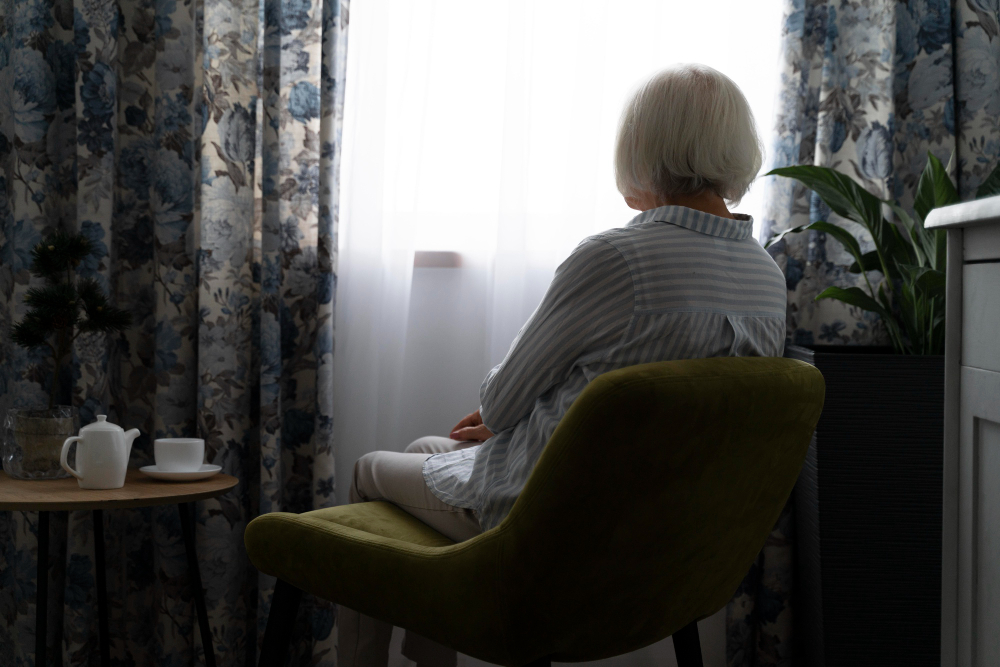
Mental health awareness has grown significantly in recent years, yet conversations often focus on younger individuals or working professionals. Unfortunately, mental health challenges among senior citizens are still overlooked. According to the World Health Organization, nearly 15% of adults aged 60 and above live with a mental disorder. With the global elderly population rapidly increasing, addressing mental health in older adults is no longer optional—it is essential.
As people age, emotional, psychological, and neurological changes become more common. Recognizing the early signs and seeking timely help from the Best Psychiatrist in Delhi, the Best Psychologist in Delhi, or a Best Psychiatry Hospital in Delhi can dramatically improve quality of life for seniors and their families.
Common Mental Health Conditions in the Elderly
Understanding the most prevalent mental health issues among older adults helps caregivers and families respond with empathy and action.
Dementia
Dementia is a progressive condition that affects memory, thinking, behavior, and the ability to perform daily activities. While it mainly affects older adults, it is not a normal part of ageing. Early diagnosis and intervention at the Best Mental Hospital in Delhi can help slow progression and improve daily functioning.
Depression
Depression and anxiety are common yet frequently misdiagnosed in seniors. Symptoms often overlap with physical illnesses, making them easy to overlook. Persistent sadness, withdrawal, or emotional numbness should never be dismissed as “normal ageing.”
Bipolar Disorder
Mood disorders like bipolar disorder are often misinterpreted in the elderly. Sudden mood swings or behavioral changes are sometimes mistaken for dementia or Alzheimer’s, delaying proper psychiatric care.
Eating Disorders
Though rarely discussed, eating disorders such as anorexia or bulimia are increasingly seen in older adults. These conditions often go unnoticed until they cause serious health complications.
Warning Signs of Elderly Mental Health Issues
Recognizing symptoms early can prevent long-term suffering. Common signs include:
• Confusion, disorientation, or difficulty concentrating
• Sudden weight loss or gain due to appetite changes
• Memory loss, especially short-term memory issues
• Persistent fatigue, sleep disturbances, or insomnia
• Social withdrawal or loss of interest in hobbies
• Feeling sad, hopeless, or emotionally numb for more than two weeks
• Feelings of worthlessness, guilt, or helplessness
• Changes in personal hygiene, appearance, or home maintenance
• Unexplained physical complaints such as aches or digestive issues
• Difficulty managing finances or everyday decisions
• Thoughts of death or suicidal ideation
If several of these symptoms persist, consulting the Best Psychiatrist Near Me or the Best Psychologist in West Delhi is strongly advised.
What Causes Mental Health Decline in the Elderly?
Mental health challenges in seniors often arise from a combination of emotional, physical, and social factors.
Retirement and Loss of Purpose
Retirement can disrupt long-standing routines, leading to loss of independence, reduced self-esteem, and emotional distress.
Changes in Support Systems
The loss of a spouse, close friends, or reduced family interaction due to nuclear family structures can result in loneliness and isolation.
Financial Stress
Reduced income or financial dependency can cause anxiety, insecurity, and feelings of helplessness.
Age-Related Health Issues
Chronic illnesses, long-term pain, substance use, poor nutrition, or limited mobility can significantly affect mental well-being. This is why integrated care at the Best De Addiction Center in Delhi NCR or a specialized De Addiction Center in Delhi is often essential.
How to Assess and What Caregivers Can Do
Elderly individuals may not always recognize their mental health challenges. In such cases, responsibility falls on caregivers and family members.
Seek professional help if the elderly person:
• Struggles with daily self-care tasks
• Cannot be trusted with personal or financial safety
• Shows worsening physical or emotional health
• Appears withdrawn, hopeless, or uninterested in life
• Misses medications or experiences concerning side effects
Early assessment by the Best Psychiatrist in West Delhi or the Best Psychiatrist in India ensures accurate diagnosis and compassionate treatment.
Trusted Care at World Brain Center
If you believe an elderly loved one needs help, the World Brain Center offers comprehensive, compassionate care. Recognized as a Best Psychiatry Hospital in Delhi, the center is dedicated to transforming brain and mental health care in India. With a specialized senior care department, multidisciplinary psychiatric services, rehabilitation programs, and highly experienced psychiatrists, World Brain Center ensures holistic treatment in a warm, respectful environment.
Frequently Asked Questions (FAQs)
1. Are mental health issues a normal part of ageing?
No. While some cognitive changes are common, conditions like depression or dementia require professional treatment.
2. When should I consult a psychiatrist for an elderly family member?
If symptoms persist for more than two weeks or interfere with daily life, consult the Best Psychiatrist in Delhi immediately.
3. Can addiction affect elderly mental health?
Yes. Alcohol or substance use can worsen mental health, making treatment at the Best Alcohol Deaddiction Center in Delhi crucial.
4. How can families support elderly mental well-being?
Emotional support, routine check-ups, social engagement, and timely psychiatric care make a significant difference.
Caring for elderly mental health is an act of love, dignity, and responsibility. Early support leads to healthier, happier golden years.

