
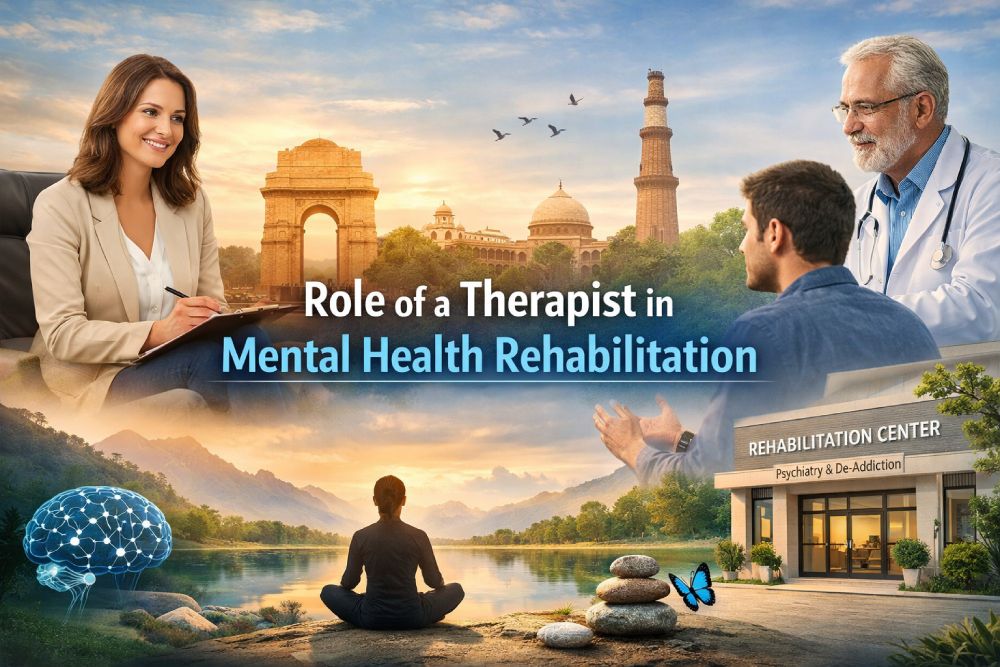
Mental health is not just about the absence of illness—it’s about feeling balanced, understood, and capable of living life with confidence. Yet, for many individuals, mental well-being can be disrupted by stress, trauma, addiction, emotional struggles, or long-term psychological conditions. This is where mental health rehabilitation becomes a life-changing step toward healing.
Choosing the Best Rehabilitation Center in Delhi is often the first and most important decision in this journey. At the heart of every successful rehabilitation program lies one crucial professional—the therapist.
This article explores how therapists play a powerful and transformative role in mental health rehabilitation and why expert guidance makes all the difference.
Why Therapists Are Central to Mental Health Rehabilitation
Therapists are not just listeners—they are trained professionals who guide individuals through some of the most vulnerable moments of their lives. Whether someone is struggling with anxiety, depression, addiction, or emotional instability, therapists act as steady anchors throughout the recovery process.
Experts working with leading facilities, including the Best Psychiatrist in Delhi and Best Psychologist in Delhi, emphasize that rehabilitation is never a one-size-fits-all process. Each person’s mental health journey is unique, and therapists ensure care is personalized, respectful, and effective.
How Therapists Support the Healing Process
1. Creating a Safe and Trusting Environment
Recovery begins with feeling safe. A therapist’s first responsibility is to create a non-judgmental, supportive space where individuals can openly express thoughts, fears, and emotions. This emotional safety builds trust and encourages honest communication—an essential foundation for healing.
2. Understanding the Individual, Not Just the Condition
Every patient brings a unique life story. Therapists conduct in-depth assessments, observing emotional patterns, behavior, thought processes, and personal experiences. This allows them to design customized rehabilitation plans instead of generic treatments—one of the key strengths of the Best Rehabilitation Center in Delhi.
3. Using Evidence-Based Therapies
Modern rehabilitation combines compassion with science. Therapists use proven, evidence-based approaches such as cognitive behavioral therapy, trauma-focused therapy, mindfulness techniques, and addiction counseling. At reputed facilities, including a trusted De Addiction Center in Delhi, these methods help individuals address root causes rather than just symptoms—without compromising comfort or dignity.
4. Encouraging Self-Awareness and Self-Reflection
True recovery happens when individuals understand themselves better. Therapists gently guide patients to reflect on emotional triggers, past experiences, and unhealthy coping mechanisms. This self-awareness empowers individuals to regain control over their thoughts and emotions.
5. Promoting Long-Term Mental Well-Being
Therapy doesn’t end when symptoms improve. Therapists also educate patients on maintaining mental wellness through stress management, emotional regulation, healthy routines, and relapse prevention. This long-term approach ensures sustainable recovery rather than temporary relief.
Why Professional Help Matters
Mental health rehabilitation is often more complex than it appears. Self-help strategies may work temporarily, but professional therapy provides structure, accountability, and expert insight. Consulting experienced professionals from the Best Psychologist in Delhi or the Best Psychiatrist in Delhi can prevent complications and speed up recovery.
If you or a loved one is dealing with anxiety, depression, or addiction-related challenges, choosing a trusted center can change everything. World Brain Center is widely recognized for its successful mental health rehabilitation programs, offering compassionate care, expert therapists, and holistic recovery support.
Frequently Asked Questions (FAQs)
1. How do I choose the Best Rehabilitation Center in Delhi?
Look for experienced therapists, personalized treatment plans, evidence-based therapies, and a strong track record in mental health and addiction recovery. A supportive environment and multidisciplinary care are key indicators of quality.
2. What is the role of a therapist in a De Addiction Center in Delhi?
Therapists help individuals identify the emotional and psychological causes of addiction, manage cravings, prevent relapse, and rebuild healthy coping mechanisms for long-term recovery.
3. Should I consult a psychiatrist or psychologist for rehabilitation?
Both play vital roles. A Best Psychiatrist in Delhi focuses on diagnosis and medication management, while a Best Psychologist in Delhi provides therapy and emotional support. Together, they offer comprehensive care.
4. How long does mental health rehabilitation take?
The duration varies based on individual needs, condition severity, and response to therapy. With consistent professional support, many people begin noticing positive changes within weeks.

