
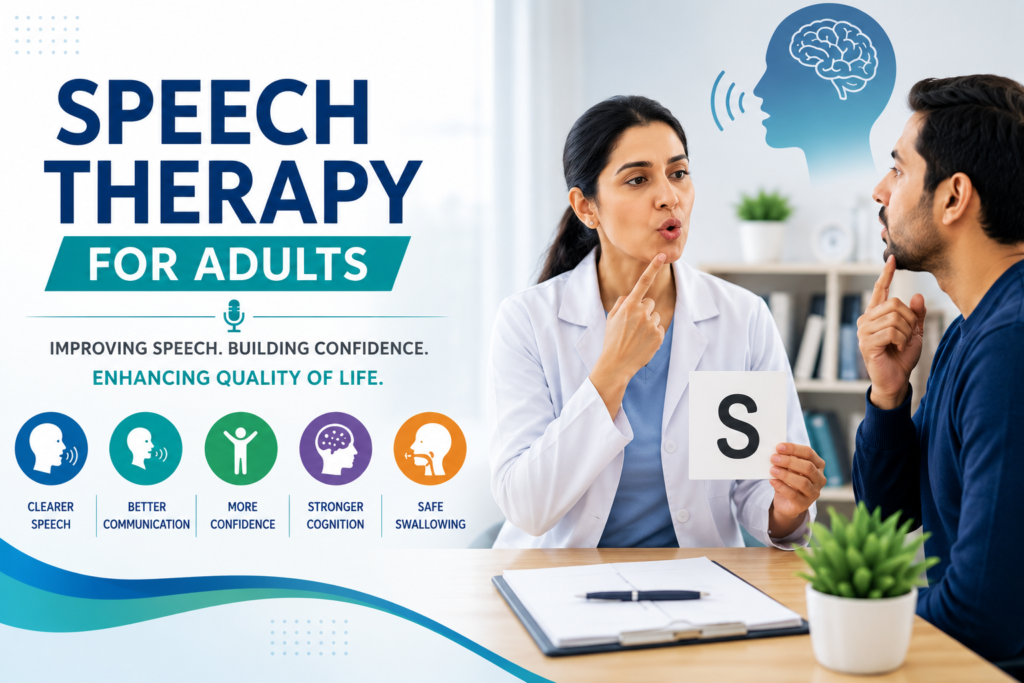
Improve Your Voice, Speech & Confidence with Professional Therapy at World Brain Center Hospital
Communication is one of the most important parts of everyday life. Whether you’re speaking with family, presenting at work, or simply expressing your thoughts, clear communication helps build relationships, confidence, and independence. Unfortunately, many adults experience speech, language, or communication difficulties following neurological disorders, stroke, brain injury, Parkinson’s disease, anxiety, depression, or other medical conditions.
If speaking has become difficult or frustrating, you are not alone. Modern speech therapy combined with psychological counselling and neurological care can help adults regain confidence and improve their quality of life.
At World Brain Center Hospital, our multidisciplinary team includes experienced speech therapists, psychiatrists, psychologists, neuropsychiatrists, occupational therapists, and rehabilitation experts who work together to provide comprehensive recovery programs. Along with speech therapy, patients also benefit from emotional and behavioural support offered by the Best Counselling Psychologists in Delhi, ensuring complete physical, cognitive, and emotional rehabilitation.
What is Speech Therapy for Adults?
Speech therapy for adults is a specialized healthcare service designed to diagnose, treat, and improve communication, speech, language, voice, swallowing, and cognitive-communication disorders. It is delivered by qualified Speech-Language Pathologists (SLPs) who evaluate each patient’s condition and develop personalized treatment plans.
Many people believe speech therapy is only for children. However, thousands of adults require speech rehabilitation every year after neurological illnesses, injuries, surgeries, or mental health conditions.
Speech therapy focuses on improving much more than pronunciation. It helps patients regain confidence in communication, strengthen cognitive abilities, improve swallowing safety, enhance memory, and restore social interaction.
Every therapy plan is customized according to the individual’s diagnosis, recovery goals, age, lifestyle, and medical history.
Why Adults Need Speech Therapy More Than Ever
Communication disorders can affect every aspect of life, including relationships, career opportunities, mental health, and self-esteem.
Many adults stop attending social gatherings because they feel embarrassed while speaking. Others avoid interviews, meetings, or family conversations because they fear being misunderstood.
Without timely treatment, these communication challenges may lead to:
- Anxiety
- Depression
- Low self-confidence
- Social isolation
- Relationship difficulties
- Career setbacks
- Emotional stress
This is why speech therapy often works best when combined with counselling from the Best Counselling Psychologist in Delhi or the Best Psychologists in Delhi-NCR for Counselling & Therapy, helping individuals recover emotionally while rebuilding communication skills.
Common Conditions That Require Speech Therapy in Adults
Speech and communication disorders can develop suddenly or gradually. Some occur after neurological damage, while others are caused by progressive medical conditions.
1. Stroke (Aphasia)
Stroke is one of the leading causes of speech impairment.
Damage to language centers in the brain can make it difficult to:
- Speak fluently
- Understand conversations
- Read
- Write
- Express thoughts
Speech therapy helps stimulate brain recovery through neuroplasticity and improves communication abilities over time.
2. Traumatic Brain Injury (TBI)
Head injuries caused by accidents, falls, or sports injuries can affect speech, memory, concentration, reasoning, and language processing.
Speech therapists work alongside neurologists and rehabilitation specialists to restore cognitive communication skills.
3. Parkinson’s Disease
Many people with Parkinson’s experience:
- Low voice volume
- Monotone speech
- Slurred pronunciation
- Slow communication
Specialized voice therapy programs significantly improve speech clarity and vocal strength.
4. Dysarthria
Dysarthria occurs when muscles used for speaking become weak due to neurological disorders.
Patients may experience:
- Slurred speech
- Slow speech
- Poor articulation
- Difficulty controlling facial muscles
Speech therapy strengthens these muscles while improving speech intelligibility.
5. Voice Disorders
Voice disorders affect teachers, singers, public speakers, customer service professionals, lawyers, and many others who rely heavily on their voice.
Symptoms include:
- Persistent hoarseness
- Voice fatigue
- Weak voice
- Loss of voice
- Vocal strain
Therapy focuses on healthy voice production and preventing long-term damage.
6. Stuttering in Adults
Although many people associate stuttering with childhood, adults may continue to experience fluency disorders or develop them following trauma or neurological illness.
Speech therapy helps improve:
- Speech rhythm
- Confidence
- Breathing control
- Communication skills
7. Dementia and Alzheimer’s Disease
Speech therapy cannot cure dementia, but it helps maintain communication skills for a longer period and supports caregivers with practical communication strategies.
8. Swallowing Disorders (Dysphagia)
Difficulty swallowing affects many adults following stroke, neurological disease, or cancer treatment.
Untreated dysphagia may cause:
- Choking
- Aspiration pneumonia
- Malnutrition
- Weight loss
Speech-language pathologists assess swallowing safety and provide specialized rehabilitation techniques.
9. Head and Neck Cancer Recovery
Patients recovering from surgery, chemotherapy, or radiation therapy often experience changes in:
- Speech
- Voice
- Swallowing
- Breathing
Speech therapy plays a vital role in restoring daily functioning and improving quality of life.
The Hidden Emotional Impact of Speech Disorders
Speech disorders affect far more than communication.
Many adults begin avoiding conversations because they fear embarrassment or rejection.
Over time, this can contribute to:
- Anxiety disorders
- Depression
- Panic attacks
- Emotional distress
- Social withdrawal
- Reduced self-esteem
At World Brain Center Hospital, speech therapy is often combined with psychological counselling from the Best Counselling Psychologists Near Me in Delhi, allowing patients to heal emotionally while improving communication.
This integrated approach produces significantly better long-term recovery than treating speech problems alone.
Benefits of Adult Speech Therapy
Professional speech therapy provides life-changing improvements.
Clearer Communication
Patients become easier to understand during conversations.
Increased Self-Confidence
Improved communication naturally boosts confidence in social and professional settings.
Better Cognitive Function
Speech therapy enhances:
- Memory
- Attention
- Concentration
- Problem-solving
- Planning skills
Improved Swallowing
Safe swallowing reduces health complications and improves nutrition.
Better Relationships
When communication improves, relationships with family, friends, and colleagues become stronger.
Enhanced Workplace Performance
Professionals often regain confidence during meetings, presentations, interviews, and client interactions.
Reduced Anxiety
Working alongside the Best Counselling Psychologist in Delhi helps patients overcome fear, frustration, and communication-related stress.
Why Choose World Brain Center Hospital?
World Brain Center Hospital is one of Delhi’s leading centers for neurological rehabilitation, psychiatry, psychology, speech therapy, behavioural health, and cognitive rehabilitation.
Our multidisciplinary team works together to provide complete recovery under one roof.
Patients benefit from access to:
- Speech-Language Pathologists
- Neurologists
- Neuro Psychiatrists
- Clinical Psychologists
- Occupational Therapists
- Physiotherapists
- Rehabilitation Experts
- Counselling Specialists
If you are searching for the Best Counselling Psychologists In Delhi, Best Counselling Psychologist in Delhi, or the Best Psychologists in Delhi-NCR for Counselling & Therapy, World Brain Center Hospital offers integrated care that addresses both communication disorders and emotional wellbeing
Effective Speech Therapy Exercises for Adults
Recovery does not end after a therapy session. Consistent practice at home is one of the biggest factors that determine long-term success. Speech therapists create personalized exercise plans based on each patient’s diagnosis, progress, and daily communication needs.
At World Brain Center Hospital, therapy programs combine evidence-based speech rehabilitation with psychological counselling and neurological care to ensure complete recovery.
1. Speech Clarity and Articulation Exercises
For adults experiencing slurred or unclear speech, therapists recommend exercises that strengthen the lips, tongue, jaw, and facial muscles.
These may include:
- Tongue stretching and lifting exercises
- Lip strengthening activities
- Pronouncing difficult sounds repeatedly
- Reading aloud slowly
- Mirror speech practice
- Controlled pronunciation exercises
These activities gradually improve muscle coordination, making speech clearer and easier to understand.
2. Breathing and Voice Therapy
Many neurological disorders reduce voice strength.
Voice therapy includes:
- Diaphragmatic breathing
- Voice projection exercises
- Vocal warm-ups
- Resonance therapy
- Controlled pitch practice
- Breath support techniques
These exercises help adults speak louder with less effort and reduce vocal fatigue.
3. Fluency Improvement Techniques
Adults who stutter often benefit from:
- Slow speech techniques
- Controlled breathing
- Rhythm exercises
- Gentle voice onset
- Conversation practice
- Confidence-building activities
Speech fluency improves gradually through consistent practice under professional supervision.
4. Cognitive Communication Therapy
Adults recovering from stroke, traumatic brain injury, dementia, or neurological disorders often struggle with thinking, planning, and remembering conversations.
Therapy focuses on improving:
- Memory
- Attention span
- Word finding
- Logical thinking
- Problem solving
- Decision making
- Conversation planning
These exercises help individuals regain independence in both personal and professional life.
5. Swallowing Rehabilitation (Dysphagia Therapy)
Difficulty swallowing is a serious medical condition that requires expert evaluation.
Speech-language pathologists provide:
- Tongue strengthening exercises
- Swallow coordination techniques
- Safe eating positions
- Food texture modification guidance
- Muscle strengthening exercises
These techniques reduce the risk of choking and aspiration while improving nutrition.
Speech Therapy at Home
Home practice plays a major role in successful recovery.
Your therapist may recommend:
- Reading newspapers aloud
- Daily conversation practice
- Naming everyday objects
- Memory games
- Storytelling exercises
- Deep breathing routines
- Singing familiar songs
- Voice recording for self-monitoring
Practicing for just 20–30 minutes every day can significantly accelerate progress.
What Happens During a Speech Therapy Session?
Many adults delay treatment because they don’t know what to expect.
At World Brain Center Hospital, every therapy program begins with a comprehensive assessment.
Step 1 – Detailed Evaluation
Your Speech-Language Pathologist will evaluate:
- Speech clarity
- Language comprehension
- Voice quality
- Memory
- Attention
- Cognitive skills
- Swallowing ability
- Communication challenges
Medical history and neurological conditions are also reviewed.
Step 2 – Personalized Goal Setting
No two patients have identical goals.
Some want to:
- Return to work
- Speak confidently during meetings
- Improve family conversations
- Eat comfortably
- Reduce stuttering
- Regain confidence after stroke
Therapy plans are designed around these individual goals.
Step 3 – Regular Therapy Sessions
Sessions typically include:
- Guided speech practice
- Voice training
- Language exercises
- Cognitive rehabilitation
- Home exercise review
- Progress tracking
Programs are modified regularly according to improvement.
Step 4 – Teleconsultation Support
For patients unable to travel regularly, online speech therapy sessions provide continuous professional guidance.
Virtual consultations are especially helpful for:
- Elderly patients
- Stroke survivors
- Parkinson’s disease
- Post-surgical recovery
- Patients living outside Delhi
The Importance of Psychological Counselling During Speech Recovery
Many communication disorders affect emotional health.
Adults may experience:
- Fear of speaking
- Social anxiety
- Depression
- Frustration
- Embarrassment
- Low confidence
This is why speech rehabilitation at World Brain Center Hospital often includes counselling by the Best Counselling Psychologists Near Me in Delhi.
Working with the Best Counselling Psychologists In Delhi helps patients:
- Build confidence
- Reduce anxiety
- Improve emotional resilience
- Develop positive thinking
- Enhance motivation during recovery
This holistic approach produces faster and more sustainable results.
Family Support Makes Recovery Faster
Speech recovery is rarely achieved alone.
Family members play a vital role by:
- Listening patiently
- Allowing extra response time
- Avoiding interruptions
- Speaking clearly
- Encouraging daily conversation
- Reducing background noise
- Celebrating small improvements
Therapists also educate caregivers on communication techniques that make everyday conversations easier and less stressful.
When Should You Consult a Speech Therapist?
Do not ignore communication difficulties.
Seek professional help immediately if you experience:
- Slurred speech
- Difficulty finding words
- Problems understanding conversations
- Sudden speech changes after stroke
- Persistent hoarseness
- Difficulty swallowing
- Stuttering that worsens
- Voice fatigue
- Memory problems affecting communication
- Social withdrawal due to speaking difficulties
Early treatment often leads to faster recovery and better long-term outcomes.
Why Choose World Brain Center Hospital?
World Brain Center Hospital has become one of Delhi’s trusted centres for neurological rehabilitation, psychiatry, psychology, counselling, and speech therapy.
Patients receive integrated care from experienced:
- Speech-Language Pathologists
- Neurologists
- Neuro Psychiatrists
- Clinical Psychologists
- Occupational Therapists
- Physiotherapists
- Rehabilitation Specialists
- Behavioural Therapists
Whether you’re recovering from stroke, Parkinson’s disease, traumatic brain injury, dementia, or communication difficulties related to anxiety, our multidisciplinary team creates personalized treatment plans focused on restoring independence and confidence.
If you’re searching for the Best Counselling Psychologist in Delhi, Best Counselling Psychologists In Delhi, Best Counselling Psychologists Near Me in Delhi, or the Best Psychologists in Delhi-NCR for Counselling & Therapy, World Brain Center Hospital offers compassionate, evidence-based care under one roof.
Begin Your Journey Toward Better Communication
Every conversation matters.
If speech, voice, language, or swallowing difficulties are affecting your daily life, don’t wait for the condition to worsen.
Professional intervention can dramatically improve communication, confidence, emotional well-being, and quality of life.
Book your consultation today with the expert team at World Brain Center Hospital.
Call Now:
📞 011-41643347
📞 9968788861, 65, 67
Our specialists are committed to helping you speak confidently, communicate effectively, and live independently.
Frequently Asked Questions (FAQs)
1. Can adults fully recover with speech therapy?
Yes. Many adults experience significant improvement after stroke, brain injury, Parkinson’s disease, voice disorders, or neurological conditions. Recovery depends on the underlying cause, treatment consistency, and early intervention.
2. How long does speech therapy take for adults?
The duration varies depending on the condition. Mild communication disorders may improve within a few months, while neurological conditions may require longer rehabilitation. Your therapist will create a personalized recovery plan after assessment.
3. Can counselling improve speech therapy outcomes?
Absolutely. Anxiety, depression, and low confidence often worsen communication problems. Working with the Best Counselling Psychologists In Delhi alongside speech therapy helps patients recover faster both emotionally and socially.
4. Why should I choose World Brain Center Hospital for speech therapy?
World Brain Center Hospital offers multidisciplinary care by experienced speech therapists, neurologists, psychiatrists, psychologists, rehabilitation experts, and the Best Counselling Psychologist in Delhi, ensuring comprehensive treatment for communication, cognitive, and emotional recovery.
Medical Disclaimer
This article is intended for educational and informational purposes only and should not be considered a substitute for professional medical advice, diagnosis, or treatment. Speech, language, voice, swallowing, and cognitive communication disorders require proper clinical evaluation by qualified healthcare professionals. If you or your loved one is experiencing communication difficulties, consult the specialists at World Brain Center Hospital for a personalized assessment and evidence-based treatment plan.