
ind the Best Counselling Psychologists in Delhi for Effective OCD Treatment
Obsessive-Compulsive Disorder (OCD) is far more than a habit of keeping things clean or organized. It is a complex mental health condition that can affect every aspect of life, including relationships, education, careers, emotional well-being, and self-confidence. Millions of people silently struggle with obsessive thoughts and compulsive behaviours, often without realizing that highly effective treatment options are available.
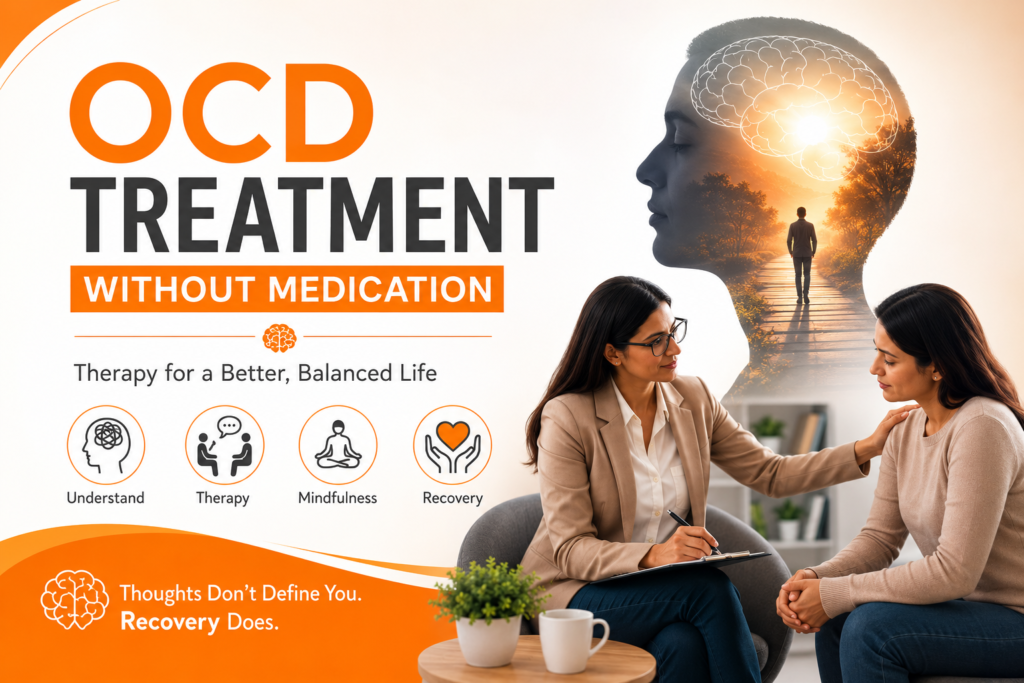
The encouraging news is that OCD can often be successfully managed without medication, especially when diagnosed early and treated by experienced mental health professionals. Evidence-based psychological therapies such as Cognitive Behavioural Therapy (CBT), Exposure and Response Prevention (ERP), Acceptance and Commitment Therapy (ACT), and mindfulness-based interventions have helped thousands of individuals regain control over their lives.
If you or someone you love is experiencing intrusive thoughts, repetitive behaviours, or overwhelming anxiety, seeking help from the Best Counselling Psychologists Near Me in Delhi can be the first and most important step toward recovery. At World Brain Center Hospital, our experienced team of psychologists and psychiatrists provides personalized counselling and therapy programs designed to help patients overcome OCD naturally while improving their overall quality of life.
What is Obsessive-Compulsive Disorder (OCD)?
Obsessive-Compulsive Disorder (OCD) is a chronic yet highly treatable mental health condition characterized by two interconnected symptoms:
Obsessions
These are unwanted, repetitive, intrusive thoughts, fears, images, or urges that create significant anxiety or emotional distress. Individuals usually recognize that these thoughts are irrational, yet they find them extremely difficult to control.
Compulsions
Without appropriate treatment, OCD can consume several hours each day and significantly interfere with work, studies, family life, and social relationships.
Compulsions are repetitive behaviours or mental rituals performed to temporarily reduce the anxiety caused by obsessive thoughts. Although these actions may provide short-term relief, they actually strengthen the OCD cycle over time.
Working with the Best Counselling Psychologist in Delhi can help individuals understand these patterns and gradually break the obsessive-compulsive cycle through scientifically proven therapeutic approaches.
How Common is OCD?
According to international mental health studies, OCD affects approximately 2–3% of the global population and can develop during childhood, adolescence, or adulthood.
Many individuals delay seeking professional help because they:
- Feel embarrassed about their intrusive thoughts.
- Believe their symptoms are part of their personality.
- Fear being judged.
- Assume there is no effective treatment.
Fortunately, this is far from the truth. Modern psychological therapies have transformed OCD treatment outcomes, enabling many patients to achieve long-term recovery without relying solely on medication.
Understanding Different Types of OCD
OCD presents differently in every individual. Understanding its various forms helps mental health professionals create highly personalized treatment plans.
1. Contamination OCD
This is one of the most recognized forms of OCD.
Individuals experience an overwhelming fear of:
- Germs
- Dirt
- Viruses
- Illness
- Chemical contamination
Common compulsions include:
- Excessive handwashing
- Repeated showering
- Cleaning household objects multiple times
- Avoiding public places
- Refusing physical contact
Over time, these behaviours may lead to social isolation and reduced quality of life.
2. Harm OCD
People with Harm OCD experience frightening intrusive thoughts about accidentally hurting themselves or others.
Examples include:
- Fear of harming family members
- Fear of causing accidents
- Fear of losing control
- Fear of violent impulses
These thoughts are deeply distressing because they directly conflict with the person’s values. Importantly, having these thoughts does not mean someone wants to act on them.
Professional counselling from the Best Counselling Psychologists in Delhi helps patients understand these thoughts and reduce the fear associated with them.
3. Symmetry and Ordering OCD
Some individuals feel an overwhelming need for perfection, balance, or symmetry.
They may repeatedly:
- Arrange objects
- Count items
- Repeat movements
- Organize belongings
- Perform rituals until everything feels “just right”
Even minor disruptions can trigger severe anxiety.
4. Checking OCD
Checking OCD revolves around persistent doubts and fears.
Common examples include repeatedly checking:
- Door locks
- Gas stoves
- Electrical switches
- Vehicle locks
- Office documents
- Mobile phones
People often spend hours verifying the same things despite already knowing they are safe.
5. Intrusive Thoughts OCD (Pure O)
Unlike other forms of OCD, this subtype often has few visible compulsions.
Individuals experience disturbing unwanted thoughts related to:
- Religion
- Morality
- Violence
- Sexuality
- Relationships
They often perform silent mental rituals such as:
- Reassurance seeking
- Mental reviewing
- Internal praying
- Repeating words mentally
Because symptoms remain hidden, many individuals suffer silently for years.
6. Hoarding-Related OCD
Some individuals develop extreme anxiety about discarding possessions.
They believe throwing away objects could:
- Cause harm
- Lead to regret
- Waste valuable items
- Trigger emotional distress
Living spaces may gradually become overcrowded, affecting safety, relationships, and daily functioning.
Signs and Symptoms of OCD
Recognizing OCD early significantly improves treatment outcomes.
Common Obsessions
Individuals may experience:
- Repetitive unwanted thoughts
- Constant fear of contamination
- Fear of making mistakes
- Intrusive violent images
- Religious guilt
- Excessive doubt
- Fear of harming loved ones
- Fear of forgetting important things
Common Compulsions
Typical compulsive behaviours include:
- Repeated handwashing
- Cleaning rituals
- Constant checking
- Counting
- Arranging objects repeatedly
- Seeking reassurance
- Repeating prayers
- Mental reviewing
- Avoiding specific places or situations
These rituals often provide only temporary relief while reinforcing anxiety over time.
How OCD Affects Daily Life
Without treatment, OCD can gradually interfere with nearly every aspect of life.
People often struggle with:
- Poor concentration
- Reduced work performance
- Academic difficulties
- Relationship conflicts
- Sleep disturbances
- Social withdrawal
- Low self-esteem
- Emotional exhaustion
Many patients report spending three to eight hours every day performing compulsive behaviours or worrying about intrusive thoughts.
The emotional burden can become overwhelming, increasing the risk of anxiety disorders, depression, panic attacks, and reduced quality of life.
How is OCD Diagnosed?
Accurate diagnosis is essential because OCD symptoms often resemble generalized anxiety disorder, depression, perfectionism, or personality-related concerns.
Diagnosis typically involves a comprehensive psychological assessment conducted by experienced mental health professionals.
At World Brain Center Hospital, assessment includes:
- Detailed clinical interviews
- Behavioural evaluation
- Psychological assessment tools
- Yale-Brown Obsessive Compulsive Scale (Y-BOCS)
- Functional impairment assessment
- Family history evaluation
This comprehensive process enables the Best Psychologists in Delhi-NCR for Counselling & Therapy to understand the severity of symptoms and create a customized treatment plan tailored to each individual’s needs.
Unlike many mental health conditions, OCD responds exceptionally well to structured psychological therapy when treatment begins early. The sooner professional counselling starts, the greater the chances of achieving long-term recovery while minimizing disruption to everyday life.
Evidence-Based OCD Treatment Without Medication: Therapies That Deliver Long-Term Recovery
For decades, many people believed medication was the only effective treatment for Obsessive-Compulsive Disorder (OCD). Today, research from leading mental health institutions worldwide has proven otherwise. Modern psychological therapies can significantly reduce OCD symptoms, improve emotional well-being, and help individuals regain control over their lives—often without the need for long-term medication.
At World Brain Center Hospital, our team of the Best Counselling Psychologists in Delhi and experienced psychiatrists create personalized treatment plans based on each patient’s symptoms, lifestyle, and recovery goals. Every individual experiences OCD differently, which is why treatment should always be tailored rather than following a one-size-fits-all approach.
Can OCD Be Treated Without Medication?
The answer is Yes—for many people.
Individuals with mild to moderate OCD often respond exceptionally well to structured counselling and psychotherapy. Even those with more severe symptoms can achieve remarkable improvement when therapy is combined with lifestyle changes and ongoing professional support.
Medication may be recommended in some complex cases, but it is not the only path to recovery.
Thousands of people have successfully overcome OCD through evidence-based counselling delivered by the Best Counselling Psychologist in Delhi using internationally recognized therapeutic approaches.
Exposure and Response Prevention (ERP): The Gold Standard OCD Treatment
Among all available psychological treatments, Exposure and Response Prevention (ERP) remains the most effective therapy for OCD.
ERP is considered the international gold standard because it directly addresses the obsessive-compulsive cycle rather than simply reducing anxiety temporarily.
How ERP Works
ERP consists of two important stages.
Step 1: Exposure
Examples include:
Patients gradually face situations, thoughts, images, or objects that normally trigger obsessive anxiety.
- Touching objects without washing hands
- Leaving home without repeatedly checking locks
- Sitting with uncertainty instead of seeking reassurance
- Facing intrusive thoughts without avoiding them
The exposure is always gradual and carefully planned by experienced therapists.
Step 2: Response Prevention
Once anxiety appears, patients learn not to perform the compulsive behaviour that normally follows.
Instead of:
- Washing repeatedly
- Checking again
- Counting
- Seeking reassurance
- Repeating rituals
they learn healthier coping strategies while allowing anxiety to naturally reduce.
Over time, the brain learns an important lesson:
Nothing dangerous happens even when compulsions are not performed.
Eventually:
- Anxiety becomes less intense.
- Obsessions lose their power.
- Compulsions gradually disappear.
This process permanently weakens the OCD cycle.
Cognitive Behavioural Therapy (CBT): Changing the Way You Think
One of the most effective approaches offered by the Best Psychologists in Delhi-NCR for Counselling & Therapy is Cognitive Behavioural Therapy (CBT).
CBT focuses on changing unhealthy thinking patterns that fuel anxiety and compulsive behaviour.
Instead of believing every intrusive thought represents danger, patients learn to question those beliefs objectively.
CBT helps individuals:
- Identify distorted thinking patterns.
- Understand why obsessive thoughts feel so convincing.
- Reduce catastrophic thinking.
- Develop healthier coping mechanisms.
- Replace fear-driven reactions with rational responses.
Many OCD patients discover that their intrusive thoughts become far less frightening once they understand how the brain creates false alarms.
Acceptance and Commitment Therapy (ACT)
Acceptance and Commitment Therapy has become an increasingly valuable addition to OCD treatment.
Unlike traditional approaches that attempt to eliminate intrusive thoughts, ACT teaches patients to:
- Accept unwanted thoughts without fear.
- Stop fighting mental experiences.
- Focus on meaningful life goals.
- Separate identity from obsessive thinking.
- Reduce emotional suffering.
Patients learn an important truth:
Having a thought does not make it true.
This simple realization often becomes life-changing.
Mindfulness Therapy for OCD
Mindfulness has transformed modern mental health treatment by helping individuals observe their thoughts without automatically reacting to them.
For OCD patients, mindfulness means:
“I notice this thought, but I don’t have to believe it.”
Instead of becoming trapped inside obsessive thinking, patients learn to observe thoughts as temporary mental events.
Benefits include:
- Reduced emotional reactivity
- Improved concentration
- Better stress management
- Lower anxiety
- Increased emotional awareness
- Greater self-control
Mindfulness is particularly effective when integrated with ERP and CBT.
Dialectical Behaviour Therapy (DBT)
Some individuals with OCD also experience:
- Intense emotions
- Mood instability
- Self-criticism
- Anger
- Emotional impulsivity
Dialectical Behaviour Therapy (DBT) helps these patients develop practical emotional regulation skills.
DBT teaches:
- Distress tolerance
- Emotional regulation
- Healthy communication
- Mindfulness
- Interpersonal effectiveness
These skills improve resilience during OCD recovery.
Family Counselling Makes Recovery Faster
OCD rarely affects only one person.
Family members often become unintentionally involved in compulsive behaviours by providing repeated reassurance or participating in rituals.
Family counselling helps loved ones:
- Understand OCD better.
- Reduce enabling behaviours.
- Communicate effectively.
- Support recovery without reinforcing compulsions.
- Create a healthier home environment.
At World Brain Center Hospital, family education is an essential part of successful OCD treatment.
Lifestyle Changes That Support OCD Recovery
Professional counselling remains the foundation of treatment, but healthy lifestyle habits significantly improve recovery outcomes.
Exercise Regularly
Physical activity naturally increases serotonin, dopamine, and endorphins—brain chemicals associated with improved mood and reduced anxiety.
Recommended activities include:
- Walking
- Cycling
- Yoga
- Swimming
- Strength training
- Running
Even 30 minutes of daily exercise can noticeably improve emotional well-being.
Prioritize Quality Sleep
Sleep deprivation increases intrusive thoughts and emotional sensitivity.
Healthy sleep habits include:
- Sleeping at the same time every night
- Limiting screen exposure before bedtime
- Creating a calm sleeping environment
- Avoiding caffeine late in the day
Better sleep often leads to better emotional regulation.
Maintain a Brain-Healthy Diet
Nutrition plays an important role in mental health.
Patients are encouraged to consume:
- Fresh fruits
- Vegetables
- Whole grains
- Lean protein
- Healthy fats
- Nuts
- Omega-3 rich foods
Limiting caffeine, excessive sugar, processed foods, and alcohol can also reduce anxiety levels.
Practice Daily Relaxation
Stress frequently worsens OCD symptoms.
Helpful relaxation techniques include:
- Deep breathing
- Guided meditation
- Progressive muscle relaxation
- Yoga
- Nature walks
- Journaling
These practices reduce cortisol levels while improving emotional resilience.
Build a Structured Daily Routine
A predictable routine helps reduce uncertainty, which is often a major trigger for OCD.
Creating regular schedules for:
- Work
- Meals
- Exercise
- Sleep
- Family time
- Therapy
helps patients regain a sense of stability and control.
Why Professional Counselling Is More Effective Than Self-Help Alone
Many individuals spend years trying to manage OCD independently.
They read books, watch videos, or search online for reassurance.
Unfortunately, self-treatment often strengthens the OCD cycle because reassurance temporarily reduces anxiety without addressing its underlying cause.
Working with the Best Counselling Psychologists Near Me in Delhi provides structured guidance, accountability, and scientifically proven treatment techniques that produce lasting behavioural change.
Professional therapy helps patients:
- Understand why OCD develops.
- Break compulsive habits safely.
- Reduce anxiety naturally.
- Improve confidence.
- Prevent future relapses.
- Restore healthy relationships.
- Improve work performance.
- Regain emotional freedom.
Choosing the Best Counselling Psychologist in Delhi
Selecting an experienced therapist is one of the most important decisions in your recovery journey.
Look for professionals who specialize in:
- OCD counselling
- Cognitive Behavioural Therapy (CBT)
- Exposure and Response Prevention (ERP)
- Anxiety disorders
- Family counselling
- Behavioural therapy
- Long-term relapse prevention
At World Brain Center Hospital, patients receive compassionate, confidential, and evidence-based care from some of the Best Counselling Psychologists in Delhi, working alongside experienced psychiatrists to deliver holistic mental healthcare. Every treatment plan is personalized to help individuals overcome OCD, rebuild confidence, and achieve lasting recovery.
Why Choose World Brain Center Hospital for OCD Treatment Without Medication?
Choosing the right mental healthcare provider can make all the difference in your recovery journey. OCD is not simply a habit that can be controlled through willpower—it is a clinically recognized mental health condition that requires expert evaluation, personalized therapy, and continuous emotional support.
At World Brain Center Hospital, we believe every individual deserves compassionate, evidence-based care tailored to their unique needs. Our multidisciplinary team includes some of the Best Counselling Psychologists in Delhi, experienced psychiatrists, behavioural therapists, rehabilitation specialists, and mental health counsellors who work together to help patients achieve long-term recovery without unnecessary dependence on medication whenever clinically appropriate.
Our approach goes beyond symptom management. We focus on identifying the root causes of obsessive thoughts, compulsive behaviours, anxiety, emotional stress, and related mental health concerns to create a sustainable recovery plan.
Comprehensive OCD Counselling & Therapy Services
World Brain Center Hospital offers advanced psychological and psychiatric services designed to support patients at every stage of recovery.
Our treatment programs include:
- Comprehensive OCD Assessment
- Cognitive Behavioural Therapy (CBT)
- Exposure and Response Prevention (ERP)
- Acceptance and Commitment Therapy (ACT)
- Mindfulness-Based Therapy
- Individual Counselling
- Family Counselling
- Behavioural Therapy
- Stress & Anxiety Management
- Child & Adolescent Mental Health Counselling
- Relapse Prevention Programs
- Lifestyle & Emotional Wellness Coaching
Every treatment plan is carefully customized according to the patient’s symptoms, lifestyle, age, emotional well-being, and long-term recovery goals.
Expert Mental Health Care Under One Roof
World Brain Center Hospital is recognized for providing integrated mental healthcare through a team of highly qualified specialists.
Our expert team includes:
- Best Counselling Psychologists Near Me in Delhi
- Best Counselling Psychologists In Delhi
- Best Counselling Psychologist in Delhi
- Best Psychologists in Delhi-NCR for Counselling & Therapy
- Senior Psychiatrists
- Clinical Psychologists
- Child Psychologists
- Behavioural Therapists
- Family Counsellors
- Rehabilitation Experts
This multidisciplinary approach ensures patients receive holistic care for OCD as well as co-existing conditions such as anxiety, depression, panic disorder, stress, sleep disorders, and behavioural challenges.
Our Patient-Centered Recovery Philosophy
At World Brain Center Hospital, treatment is never limited to reducing symptoms alone.
Our mission is to help every patient:
- Understand their condition without fear or stigma.
- Regain confidence and emotional balance.
- Develop healthier coping strategies.
- Improve family relationships.
- Enhance workplace and academic performance.
- Build long-term resilience against relapse.
- Enjoy a happier, healthier, and more fulfilling life.
Recovery is not about becoming perfect—it is about learning to live freely without OCD controlling your daily life.
When Should You Consult a Counselling Psychologist?
Many people delay seeking treatment because they hope symptoms will disappear on their own. Unfortunately, untreated OCD often becomes more severe over time.
You should consult a mental health professional if:
- Obsessive thoughts occupy several hours every day.
- Repetitive rituals interfere with work or studies.
- Anxiety is affecting your relationships.
- Sleep has become disturbed.
- You avoid people or situations because of obsessive fears.
- You frequently seek reassurance from family members.
- You feel emotionally exhausted by your thoughts.
- Previous self-help methods have not worked.
Early intervention significantly improves recovery outcomes and prevents symptoms from becoming deeply ingrained.
Begin Your Journey Toward Freedom from OCD
Living with OCD can feel exhausting, but recovery is possible.
With the right guidance, compassionate counselling, and evidence-based therapy, thousands of individuals have successfully regained control of their lives without allowing obsessive thoughts to define them.
If you or someone you love is experiencing symptoms of OCD, do not wait for the condition to worsen.
The experienced team at World Brain Center Hospital is committed to helping you overcome OCD through personalized counselling, behavioural therapy, and scientifically proven treatment approaches designed to deliver lasting results.
Taking the first step today can lead to a healthier tomorrow.
Contact World Brain Center Hospital
World Brain Center Hospital
Leading Mental Health, Psychiatry & Psychological Counselling Hospital in Delhi
📞 011-41643347
📞 9968788861 / 65 / 67
Book your confidential consultation today and begin your journey toward better mental health with one of the Best Counselling Psychologists in Delhi.
Frequently Asked Questions (FAQs)
1. Can OCD be successfully treated without medication?
Yes. Many individuals with mild to moderate OCD experience significant improvement through therapies such as Cognitive Behavioural Therapy (CBT), Exposure and Response Prevention (ERP), Acceptance and Commitment Therapy (ACT), and mindfulness-based counselling. The treatment approach depends on the severity of symptoms and should always be determined by a qualified mental health professional.
2. How do I choose the Best Counselling Psychologist in Delhi for OCD treatment?
Choose a psychologist who has experience in treating OCD using evidence-based therapies such as ERP and CBT. A multidisciplinary hospital like World Brain Center Hospital provides access to experienced psychologists, psychiatrists, and behavioural therapists working together for comprehensive care.
3. How long does counselling take to improve OCD symptoms?
Every individual’s recovery journey is different. Some patients notice improvements within a few weeks, while others require several months of structured therapy. Consistency, active participation, and following the therapist’s recommendations play an important role in achieving long-term success.
4. When should I seek professional counselling for OCD?
You should seek help if obsessive thoughts or compulsive behaviours interfere with your work, education, relationships, sleep, or daily activities. Early diagnosis and counselling from the Best Counselling Psychologists Near Me in Delhi often result in faster recovery and better long-term outcomes.
Disclaimer
The information provided in this article is intended solely for educational and informational purposes and should not be considered a substitute for professional medical advice, diagnosis, or treatment. Every individual experiences Obsessive-Compulsive Disorder (OCD) differently, and treatment outcomes vary based on personal circumstances and clinical needs.
If you or your loved one is experiencing symptoms of OCD, anxiety, depression, or other mental health concerns, consult qualified mental health professionals for a comprehensive evaluation and personalized treatment plan. World Brain Center Hospital is committed to providing compassionate, confidential, and evidence-based mental healthcare to help individuals achieve lasting recovery and improved quality of life.